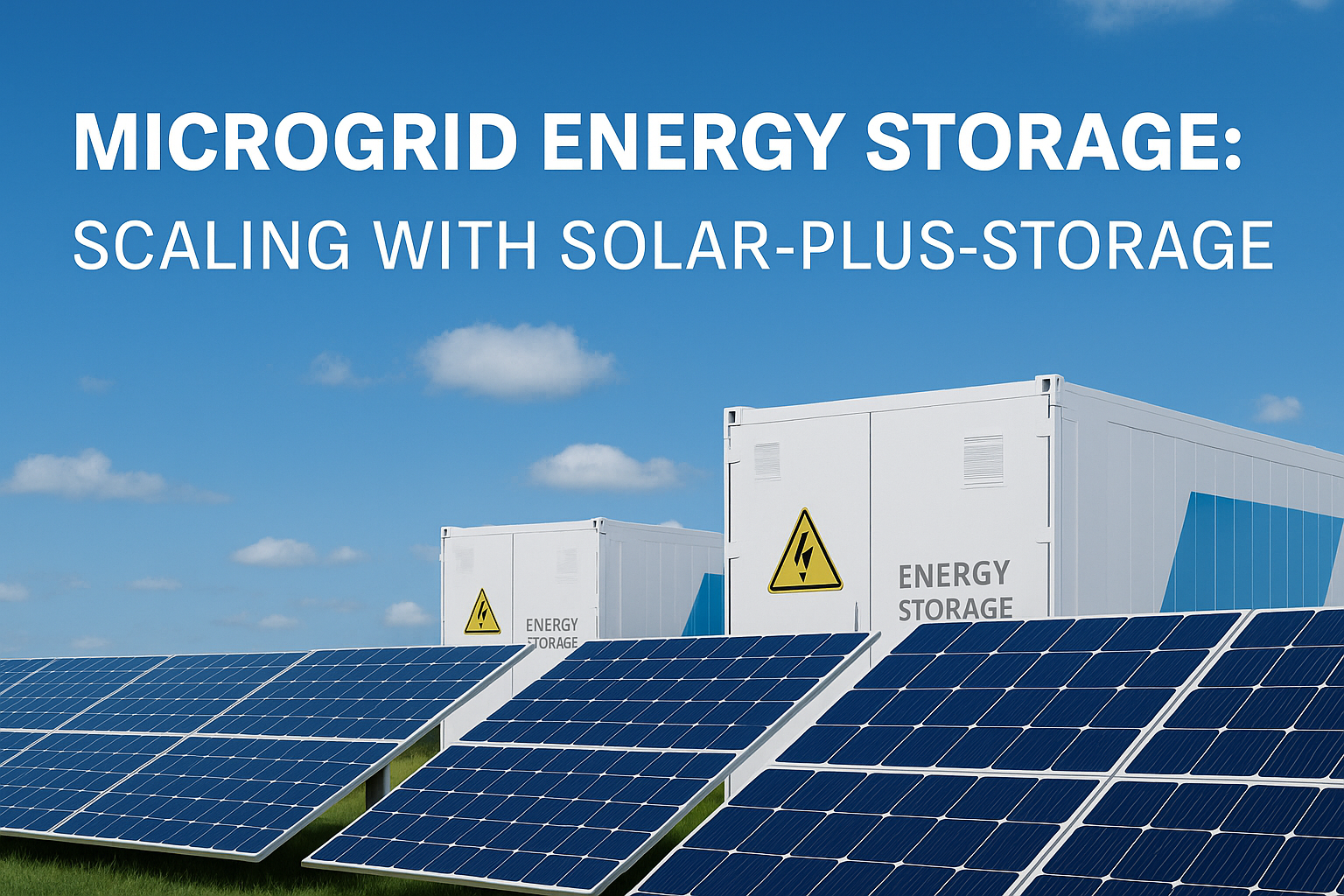
Microgrid Energy Storage: Scaling Solar-Plus-Storage
As the global transition toward renewable energy accelerates, the need for reliable energy storage with electricity becomes more critical than ever. Traditional centralized grids struggle to balance fluctuating renewable output with growing energy demand. This is where microgrid energy storage systems shine, particularly when paired with solar and battery systems.
A microgrid is a decentralized, localized energy system that can operate independently or in conjunction with the main power grid. When combined with solar-plus-storage solutions, microgrids deliver clean, reliable, and cost-efficient electricity to homes, businesses, and entire communities. At the heart of these systems are the best batteries for solar power storage, such as LiFePO4-based battery energy storage systems (BESS), which enable long-duration, safe, and scalable energy backup.
This blog explores how solar and battery systems are scaling microgrid energy storage, why solar battery backup systems are vital for resilience, and what technologies are shaping the future of decentralized energy.
What is a Microgrid?
A microgrid is a self-contained power network that integrates renewable energy generation (like solar PV), battery energy storage, and intelligent control systems. Unlike centralized grids, microgrids are designed to:
Operate autonomously during grid outages (islanding).
Provide backup electricity storage for critical facilities.
Optimize energy efficiency with solar and battery systems.
Support sustainability goals by reducing reliance on fossil fuels.
Microgrids can serve a single building, a cluster of businesses, a university campus, or even entire towns. By combining solar power generation with solar battery backup systems, microgrids ensure uninterrupted electricity, even during storms, disasters, or peak demand events.
The Role of Energy Storage in Microgrids
At the core of any solar microgrid is energy storage with electricity. Without batteries, solar energy is limited to daylight hours. With advanced storage, excess solar power generated during the day is stored and released at night, creating a 24/7 renewable energy ecosystem.
Key functions of storage in microgrids:
Load shifting – Store energy during low demand, release it during peak demand.
Peak shaving – Reduce demand charges by using stored energy during expensive tariff hours.
Backup power – Keep operations running during outages with solar battery backup systems.
Renewable integration – Smooth out the intermittency of solar and wind.
Grid services – Support voltage and frequency regulation, acting as a virtual power plant.
Best Batteries for Solar Power Storage in Microgrids
Choosing the best batteries for solar power storage is critical to microgrid success. While several chemistries exist, LiFePO4 (Lithium Iron Phosphate) batteries dominate the market due to their safety, long cycle life, and high efficiency.
LiFePO4 (LFP) Batteries
Cycle Life: 6,000+ cycles (10–15 years).
Safety: Stable thermal chemistry, low fire risk.
Efficiency: >95% round-trip efficiency.
Applications: Ideal for residential, commercial, and industrial solar-plus-storage microgrids.
Vanadium Flow Batteries (VRFBs)
Long-duration storage ideal for utility-scale microgrids.
Durability with virtually unlimited cycles.
Still higher cost compared to LiFePO4.
Lithium-Ion NMC
High energy density, compact design.
Shorter lifespan and higher risk of overheating compared to LiFePO4.
Conclusion: For most microgrids, especially home and business solar and battery systems, LiFePO4 batteries are the best choice for solar battery backup systems.
Solar and Battery Systems: The Foundation of Microgrids
A solar and battery system forms the backbone of any renewable microgrid. Solar panels provide clean, abundant daytime power, while solar battery backup systems ensure that excess electricity is stored and available during nighttime or cloudy periods.
Benefits of combining solar with batteries in microgrids:
Energy Independence – Reduce reliance on the main grid.
Cost Savings – Lower electricity bills with storage-enabled optimization.
Resilience – Backup power during blackouts.
Sustainability – Reduced carbon emissions with renewable integration.
Scalability – Expand from residential 10kWh systems to multi-MWh industrial storage solutions.
For example, a commercial building microgrid with a 500kW solar PV array and a 1MWh LiFePO4 BESS can cut peak demand charges, power critical operations during outages, and even sell excess electricity back to the grid.
Applications of Solar Microgrids with Energy Storage
Residential Microgrids
Rooftop solar + 10–20kWh battery systems.
Keep essential appliances running during outages.
Perfect for off-grid homes or areas with unreliable grids.
Commercial & Industrial Microgrids
100kWh–1MWh storage systems for businesses.
Reduce demand charges and ensure uninterrupted operations.
Support EV charging stations with solar battery backup systems.
Utility & Community Microgrids
Multi-MWh containerized BESS systems.
Power entire towns or industrial parks.
Ensure resilience against natural disasters.
Economic Benefits of Solar-Plus-Storage Microgrids
Lower Energy Bills Businesses save by discharging stored energy during peak pricing hours.
Avoid Demand Charges Commercial solar and battery systems can reduce expensive demand surcharges by up to 30%.
Government Incentives Tax credits and green energy policies support the adoption of solar battery backup systems.
Revenue Generation Sell excess electricity from microgrids back to the main grid.
Technology Trends Driving Microgrid Energy Storage
a) Containerized BESS Systems
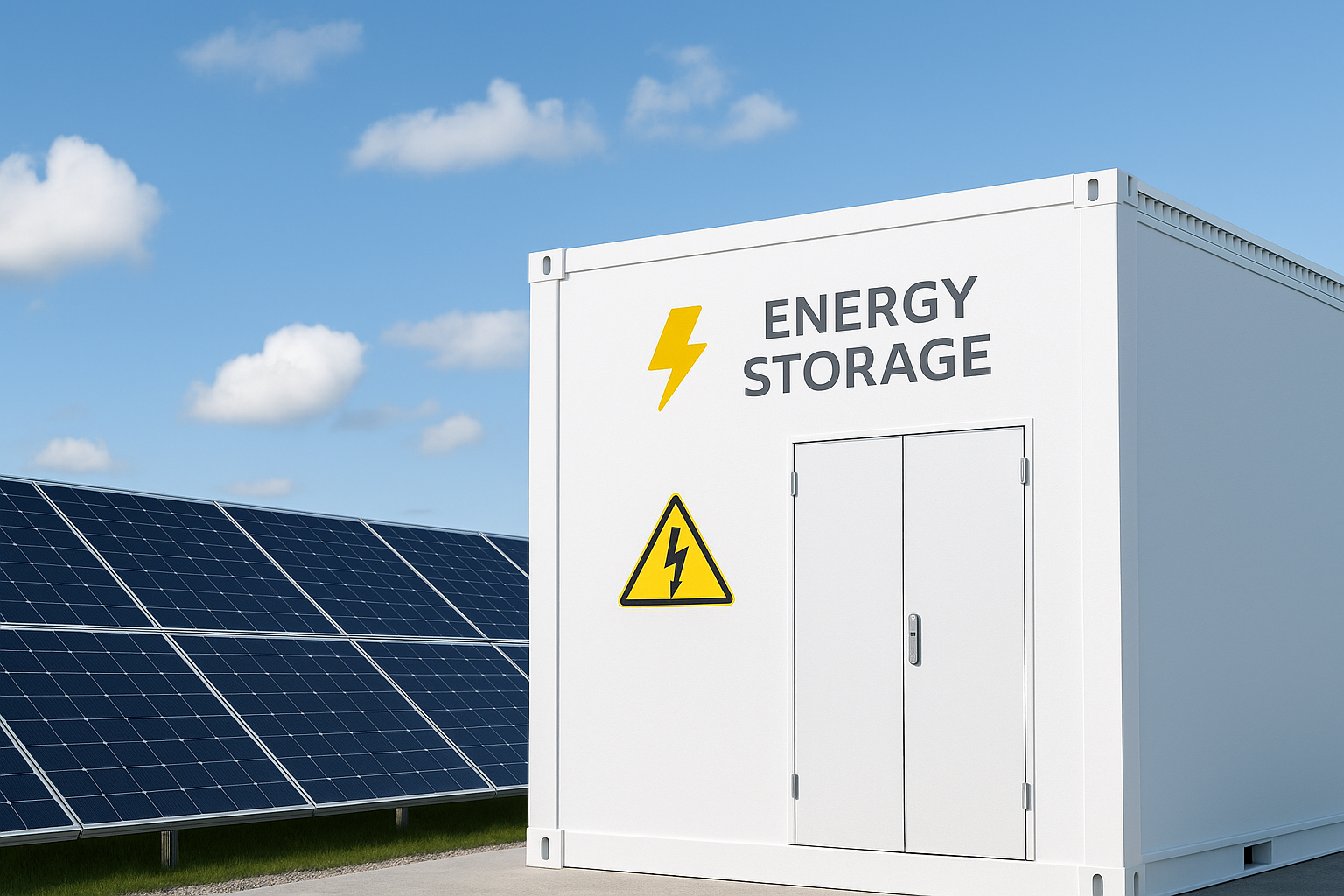
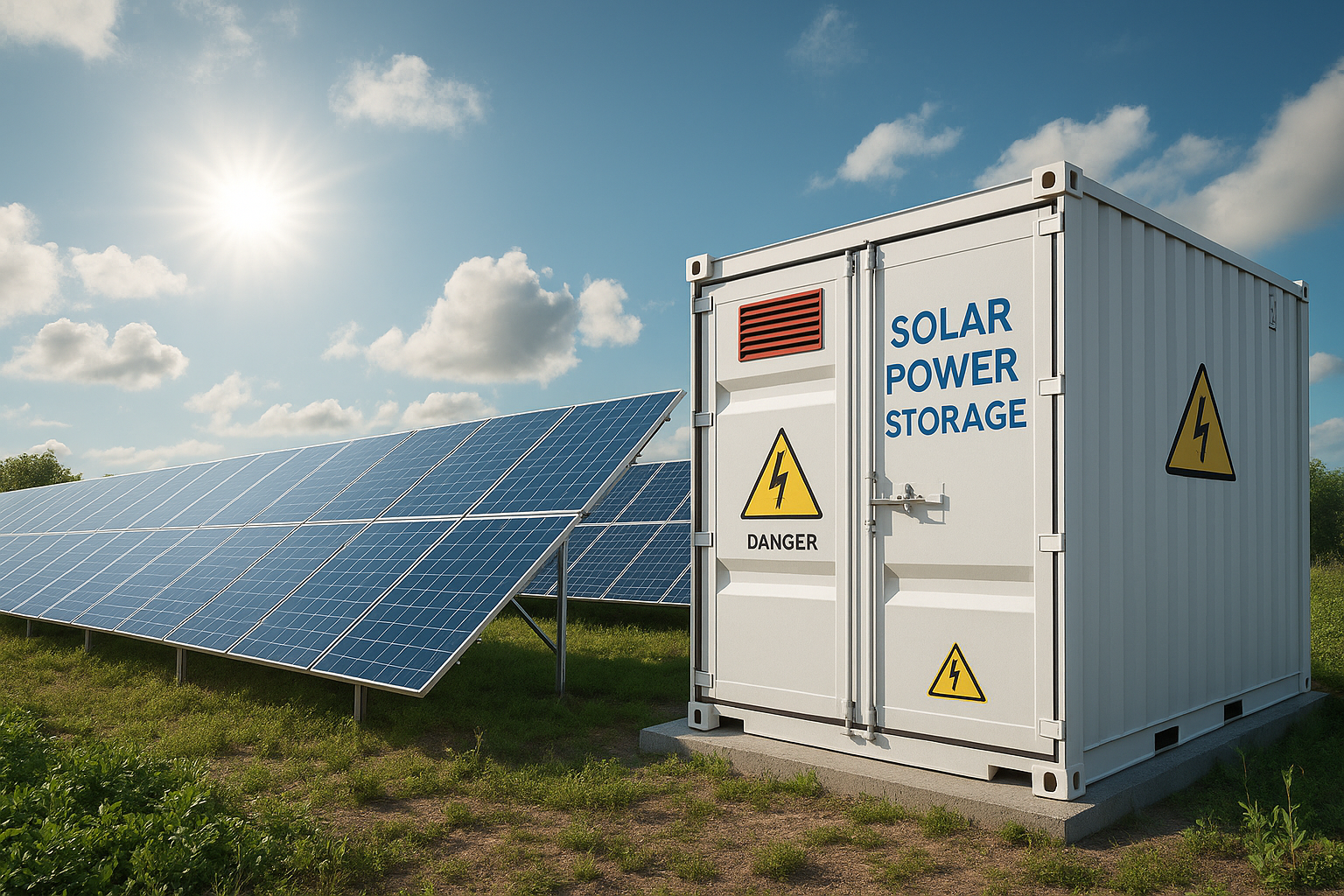
Plug-and-play solar cubes (20ft or 40ft containerized BESS) integrate batteries, PCS, EMS, and HVAC into a modular solution.
b) Virtual Power Plants (VPPs)
Networked microgrids act as VPPs, supporting grid balancing while generating income for owners.
c) Smart EMS & AI Control
Artificial Intelligence optimizes load management, battery dispatch, and renewable forecasting.
d) Hybrid Microgrids
Integration of solar with diesel backup + batteries for remote locations, ensuring continuous power.
Challenges and Considerations
Upfront Costs – While LiFePO4 systems are cost-effective long-term, initial investment remains high.
Siting & Permits – Local regulations may slow deployment.
Battery Recycling – Developing end-of-life solutions for large-scale LiFePO4 systems.
Future Outlook: Scaling with Solar-Plus-Storage
By 2030, microgrid deployments are expected to grow exponentially, powered by cheaper batteries, stricter climate goals, and the rise of solar battery backup systems.
The shift from centralized to decentralized renewable microgrids will empower communities, lower carbon emissions, and create energy-secure environments.
Microgrid energy storage powered by solar and battery systems is transforming the way we generate, store, and consume electricity. By leveraging the best batteries for solar power storage, such as LiFePO4, microgrids provide energy independence, resilience, and cost savings.
Whether for homes with solar battery backup systems, businesses seeking peak demand reduction, or utilities managing multi-MWh storage with electricity, microgrids are the foundation of a sustainable and secure energy future.
Amble Sun offers reliable, eco-friendly solar energy, reducing costs, increasing efficiency, promoting sustainability, and supporting a greener future worldwide.






Leave a Reply